

Polished Concrete
Polished Concrete 2026
• Fast Affordable and Long Lasting
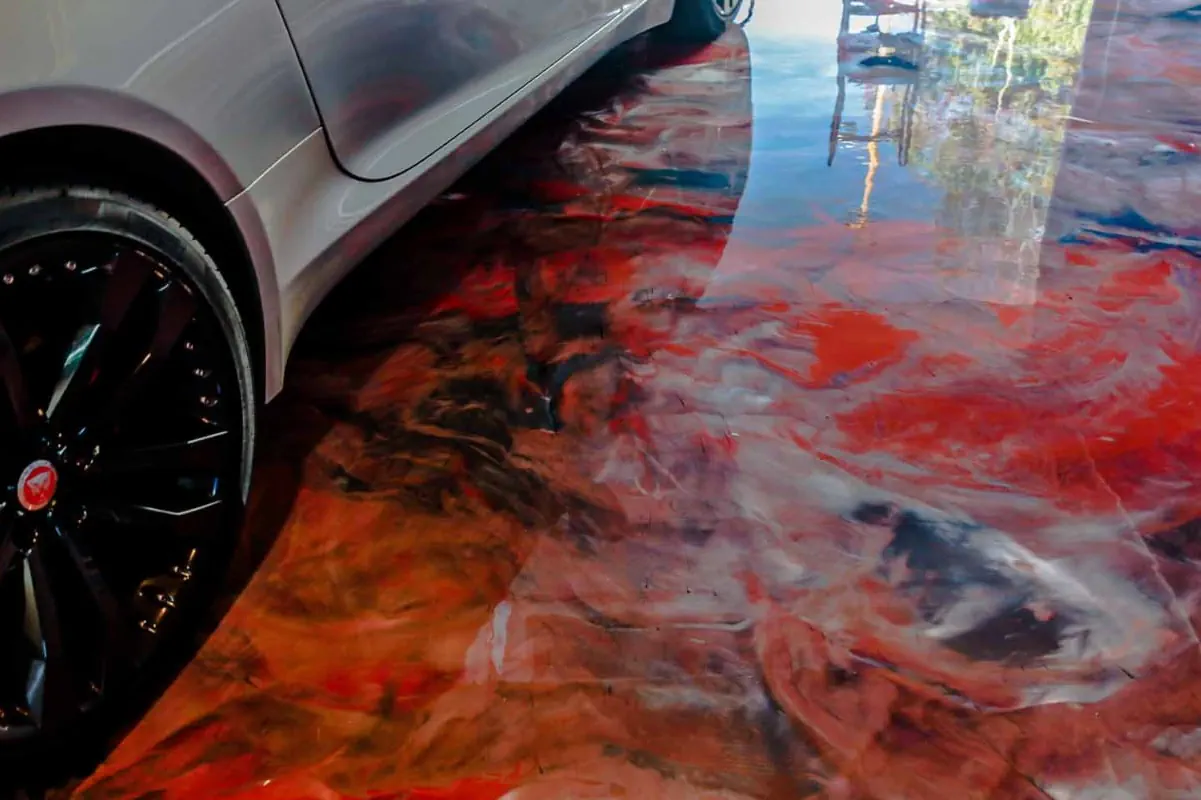
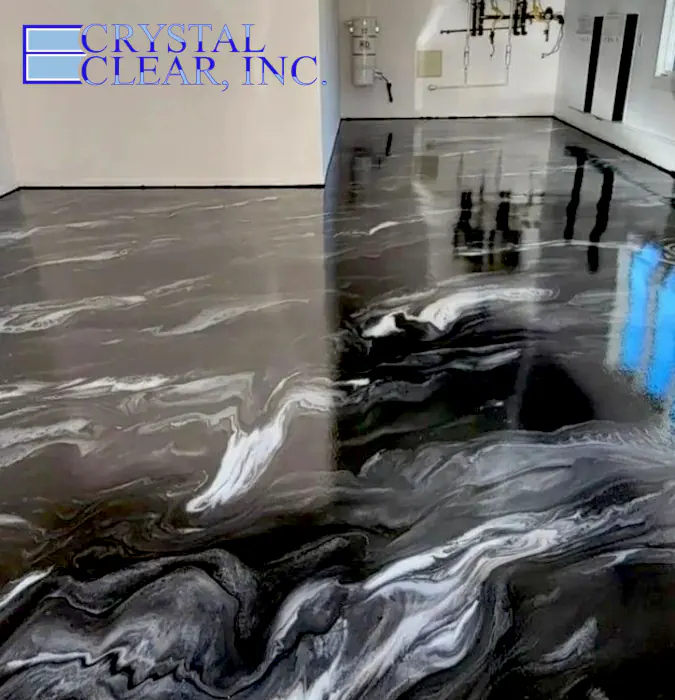
• A Favorite of Car enthusiast’s for a one of a kind garage floor
• Makes Cleanups of any spills or marks easy and fast
Polished Concrete
Polished Concrete 2026
Polished Concrete
The Ultimate Guide to Polished Concrete: Benefits, Process, and Finishes
In the world of contemporary flooring, polished concrete has rapidly evolved from a utilitarian, industrial option to a highly sought-after, elegant design solution for modern homes, offices, and retail spaces. This innovative flooring system transforms a standard concrete slab into a smooth, high-luster surface through a mechanical process of grinding, chemical treatment, and polishing.
Far from the dull, gray floors often associated with warehouses, today’s polished concrete floors offer a sophisticated aesthetic, improved indoor air quality, and remarkable longevity, making them a smart choice for those seeking style and substance.
What is Polished Concrete?
Polished concrete is concrete that has been processed through a series of mechanically ground “polishing/grinding” steps using professional equipment equipped with progressively finer diamond-impregnated tools. The process is akin to sanding wood, moving from coarser to finer grits to achieve the desired level of smoothness and shine.
Crucially, this process also involves the application of a liquid chemical hardener, known as a densifier, which penetrates the concrete to create a chemical reaction that fills the pores, hardens, and dust-proofs the surface. The result is a dense, smooth surface that is then buffed to a desired gloss level, which can range from a subtle matte finish to a mirror-like sheen.
The Unmatched Benefits of Polished Concrete
The appeal of polished concrete extends well beyond its sleek appearance. It offers significant functional advantages that contribute to its rising popularity in commercial and residential settings.
- Extreme Durability: The polishing process increases the concrete’s hardness and strength, making it incredibly resistant to wear and tear, chipping, and abrasion. It can handle heavy foot traffic, rolling chairs, and even forklifts without significant damage, a major advantage over softer materials like wood or carpet.
- Minimal Maintenance Requirements: The non-porous, smooth surface of polished concrete is sealed and hardened, eliminating the need for waxing or stripping. Routine maintenance is simple: daily dust mopping to remove grit (which acts like sandpaper) and occasional wet mopping with a pH-neutral cleaner is all that’s necessary to maintain its luster.
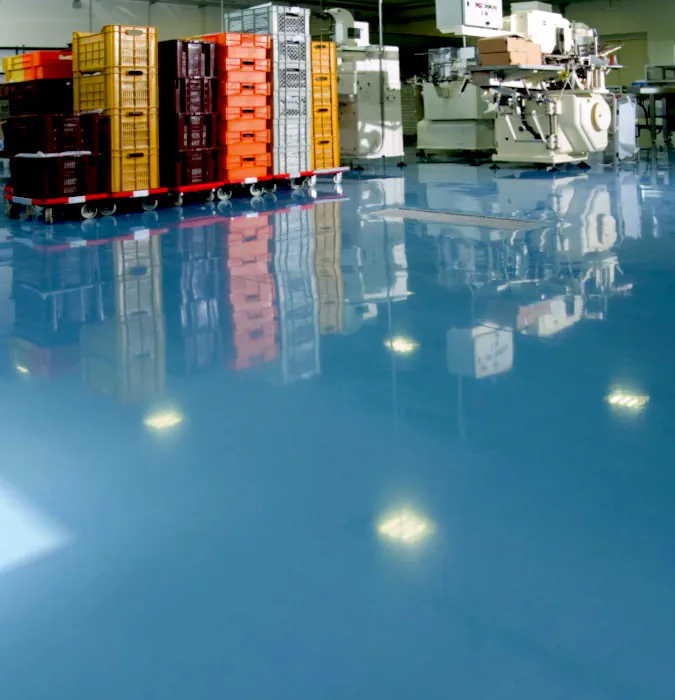
- Improved Air Quality and Hygiene: Unlike carpet, polished concrete doesn’t trap dirt, dust, mold, mildew, or allergens. This non-porous surface promotes a healthier indoor environment and makes it an ideal choice for facilities with high hygiene standards, such as hospitals, schools, or food processing areas.
- Aesthetically Pleasing and Customizable: Polished concrete floors provide a versatile, modern aesthetic that complements a wide range of design styles, from industrial-chic to minimalist. The surface can be stained with various dyes and colors, allowing for endless customization options to match your brand or personal taste.
- Enhanced Light Reflectivity: A high-gloss polished floor reflects a significant amount of ambient light, brightening the interior space. This can reduce the need for artificial lighting, leading to lower energy consumption and costs, and contributing to LEED certification points for sustainable building practices.
The Polishing Process: Step-by-Step
Achieving a quality polished concrete floor is a technical process that requires specialized heavy equipment and expertise. It is typically not a recommended DIY project due to the steep learning curve and the potential for costly errors. The process generally follows these steps:
- Surface Preparation: Existing coatings, dirt, grease, and debris are removed using aggressive 16- or 20-grit diamond abrasives. Cracks and joints are also cleaned and filled with semi-rigid filler.
- Initial Grinding (Honing): The floor is ground using progressively finer metal-bonded diamonds, starting around 30/40 grit and moving up to 80 or 120 grit. This removes imperfections and exposes the desired amount of aggregate.
- Chemical Densification: Once initial grinding is complete, a liquid chemical hardener (densifier) is applied to penetrate the pores and harden the concrete. This strengthens the surface and prepares it for the final polish.
- Final Polishing: The surface is then polished with a series of progressively finer resin-bond diamond pads. The process continues through various grits, such as 200, 400, 800, 1500, and sometimes up to 3000 grit, depending on the desired level of sheen.
- Sealing and Protection (Optional but Recommended): A stain guard or sealer may be applied to the finished surface to provide extra protection against stains and moisture, further enhancing durability and ease of maintenance.
Conclusion
Polished concrete offers a unique blend of industrial strength and sophisticated elegance. Its durability, low maintenance, and design flexibility make it a superior flooring option for a wide array of environments. By understanding the meticulous process involved and the numerous benefits it provides, it is easy to see why polished concrete stands out as a smart, long-lasting investment for any property owner.

Our Services
Crystal Clear Inc. is the Oldest, Most Trusted, and Experienced Flooring Specialists in Virginia





Finding the assets you need
Nulla sit amet nunc massa. Praesent sed est pellentesque, varius tellus non, efficitur nisi. Sed sit amet purus in odio varius tincidunt. Mauris ut ante lobortis, elementum orci efficitur, bibendum.

How to encourage creativity
Nulla sit amet nunc massa. Praesent sed est pellentesque, varius tellus non, efficitur nisi. Sed sit amet purus in odio varius tincidunt. Mauris ut ante lobortis, elementum orci efficitur, bibendum.

Ask good questions and get better answers
Nulla sit amet nunc massa. Praesent sed est pellentesque, varius tellus non, efficitur nisi. Sed sit amet purus in odio varius tincidunt. Mauris ut ante lobortis, elementum orci efficitur, bibendum leo.